
Laser Therapy
Advantages of Laser Therapy
What is laser therapy?
Laser treatment is a very effective non-invasive, sterile, non-toxic, and painless method. .
Treats chronic and acute conditions of the locomotor system. Reduces inflammation, has a rapid analgesic effect, and stimulates tissue repair (skin, muscle, tendon, bone, and nerve injuries).
4,000 studies published in the largest and most reputable medical study library (www.pubmed.gov) attest to the remarkable effect of laser therapy on musculoskeletal, joint, and ligament injuries.
Successfully treats sports injuries, spinal conditions from simple back pain to degenerative conditions, acute and chronic pain in all joints, contractures, strains, muscle tears, or ligament conditions.
Beneficial effects of laser therapy
- Analgesia (increases beta-endorphin release, increases nitric oxide release, decreases bradykinin levels, normalizes ion channels, stabilizes nerve cell membrane potential, increases acetylcholine release, blocks afferent C-fiber depolarization of nerves);
- Reduces inflammation (inhibits the synthesis and secretion of inflammatory prostaglandins, but stimulates those producing vasodilation and anti-inflammatory effects, stabilizes the cell membrane, increases ATP production and its synthesis, stimulates vasodilation, accelerates leukocyte activity);
- Acceleration in tissue repair and open wounds (stimulates fibroblast cell production which builds collagen, increases leukocyte count and macrophage activity, and small capillaries are regenerated at a very rapid rate);
- Angiogenesis (stimulates the formation of new capillary vessels in the affected tissue, accelerates hematoma reabsorption, reduces the release of vasoactive amines);
- Increased cellular metabolic activity (stimulates ATP production and other enzymes, and stimulates the plasma membrane);
- Reduction of fibrous tissue formation (accelerates wound healing by reducing scar formation; already formed scar tissue is stimulated to remodel into elastic tissue);
- Improve nerve function (increased respiratory rate of nerve cells, current nerve fibers will experience an increased action potential amplitude by normalizing impulse transmission);
- Immunoregulation stimulation (directly mediates the activity of Th and Ts lymphocytes through anti-inflammatory response);
- Stimulating "trigger points" (works like an acupuncture needle-free therapy).
Laser therapy duration
The duration of treatment varies and may be influenced by the size of the treated area, the depth of the lesion, and the patient’s body type. In some cases, the pain disappears immediately after the first therapy session.
- For the treatment of acute pain (trauma, painful medical procedure), an average of 1-6 daily sessions are indicated.
- For the treatment of chronic pain (tendinitis, lower back pain, chronic pain syndrome), 2-3 sessions per week are recommended for several weeks, and subsequently, depending on your condition, twice a week until, over time, you reach 1 maintenance session per week.
- Moderate to severe joint pain, inflammation, or stiffness typically require 10 to 15 treatment sessions to achieve significant results.
How does laser therapy work?
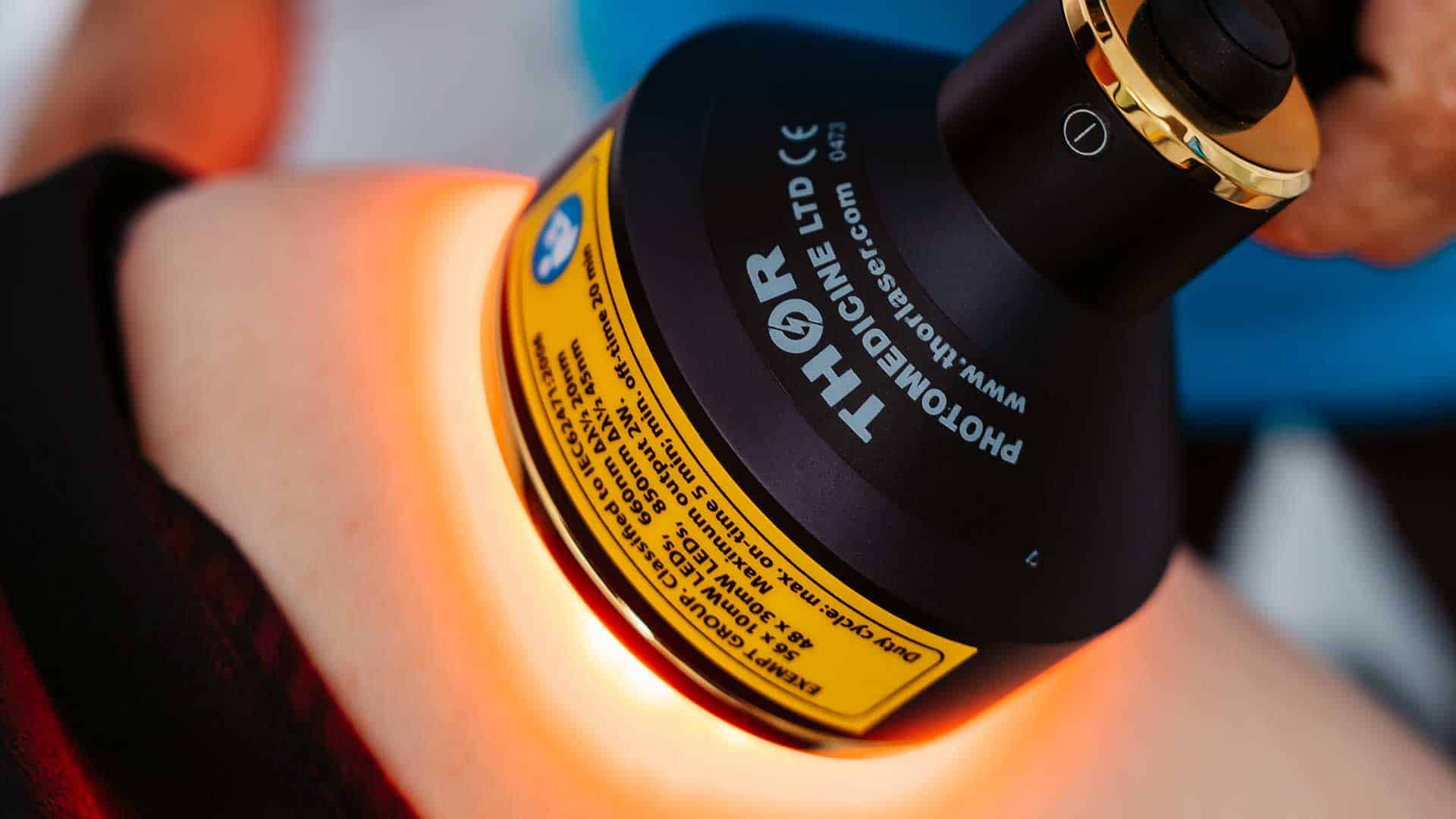
The light beam is brought into direct contact with the skin, allowing photons to penetrate tissues and interact with various molecules, restoring normal cellular function. The LASER light penetrates human tissue 8-15 mm.
The initiated chemical processes can mediate physiological effects at a deeper level. The effect is photochemical (similar to photosynthesis in plants) and not thermal, heating-related.
Laser therapy primarily acts on a mitochondrial protein (cytochrome c oxidase) by increasing ATP and reducing oxidative stress, thereby generating a cascade of intracellular and mitochondrial effects that reduce inflammation and accelerate healing.
Adverse effects and risks of laser therapy:
Treatment pain through laser therapy generates maximum efficiency without the risk of tissue injury. The laser device allows control of beam density without the risk of applying harmful pressure. Patients feel only a slight warming of the treated area.
Advantages laser they are represented by a shorter treatment period and faster positive results compared to other procedures used for pain management. Additionally, the method is non-invasive, non-toxic, easy to apply, extremely effective, and practically has no side effects.
Sometimes patients may experience slight discomfort or pain after treatment due to re-stimulation of the inflammatory phase, an effect that disappears after 24–48 hours. Contact us: expertlaser.ro
Therapeutic indications
- Arthritis (osteoarthritis, rheumatoid arthritis);
- Back pain: all regions (especially cervical and lumbar);
- Intervertebral disc disorders (discopathy, protrusions, herniations).
- Carpal tunnel syndrome (caused by compression of the median nerve at the wrist, manifesting as pain, numbness, and tingling in the hand), Medial epicondylitis and lateral;
- Fibromyalgia (causes chronic pain in muscles, joints, and soft tissues);
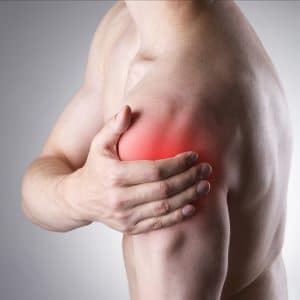
- Joint pain (knee, shoulder, elbow, ankle, hip);
- Muscle pain and myofascial pain (chronic muscle pain);
- Neuralgia (severe pain along the path of a nerve);
- Neuropathy (caused by nerve damage);
- Plantar fasciitis (heel pain);
- Postoperative pain;
- Tendinitis and ligament injuries;
- Acute trauma (muscle strains and sprains, sprains, dislocations, fractures), as well as injuries caused by repetitive movements (segmental overuse).
Contraindications
- Direct irradiation of endocrine glands, especially the thyroid gland;
- Cancer – laser therapy is not used in the treatment of known cancerous lesions, primary or secondary. It can be used for pain relief during the terminal stages of the disease, and this only with the consented agreement of both the patient and the involved therapist;
- Sarcina – its use is contraindicated in pregnant uteri; it may be used in pregnant women as an adjunct to other therapeutic modalities for the treatment of pain. Back and other conditions;
- Eyes – due to the coherent nature of the laser beam, eye damage is the primary concern; the operator must not look directly into the beam;
- Photosensitizing and immunosuppressive drugs;
- Tattooed skin, due to the appearance of the thermal effect;
- Hemorrhage - vasodilation produced by the laser can worsen bleeding;
- Epilepsy.




 Romanian
 English